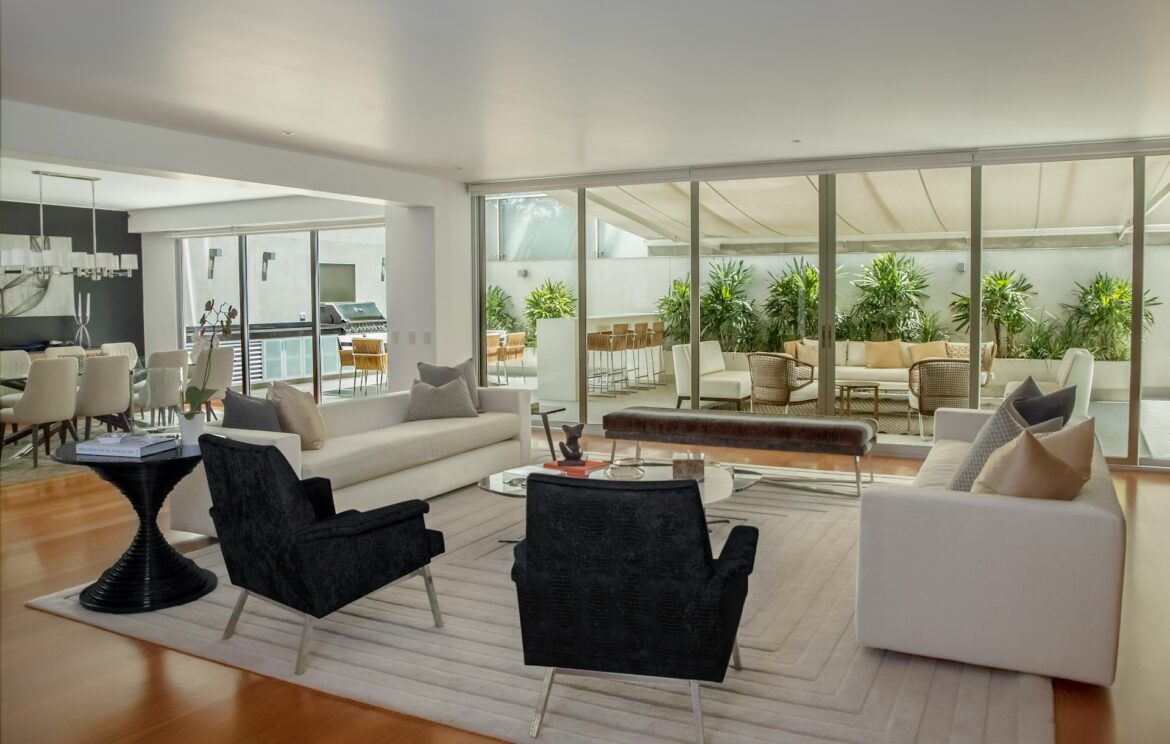
Bringing nature indoors is more than a passing trend—it’s a lifestyle shift. Research shows that environments connected to natural elements improve focus, lower stress, and even support better sleep. Biophilic design isn’t about turning your house into a greenhouse; it’s about layering subtle cues of the outdoors into your everyday space.
Greenery That Breathes Life
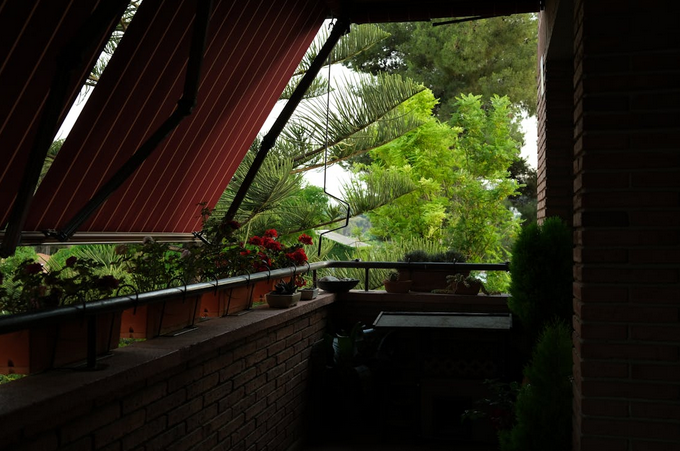
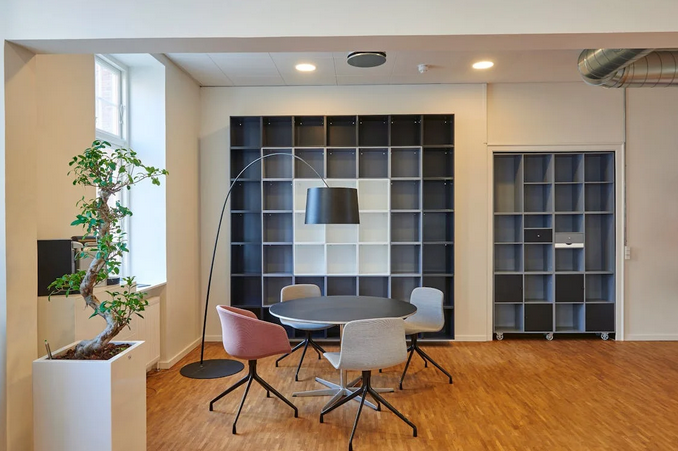
Plants are the easiest and most effective way to bring biophilic design home. From bold fiddle leaf figs to low-maintenance succulents, greenery makes rooms more dynamic. Even a single potted plant on a shelf can turn a bland corner into something energizing. The bonus? Plants improve air quality by filtering toxins and adding oxygen. That means they’re pulling double duty—style and wellness combined. And let’s be honest, watering a plant is often more grounding than scrolling your phone for the hundredth time.
The Power of Natural Light
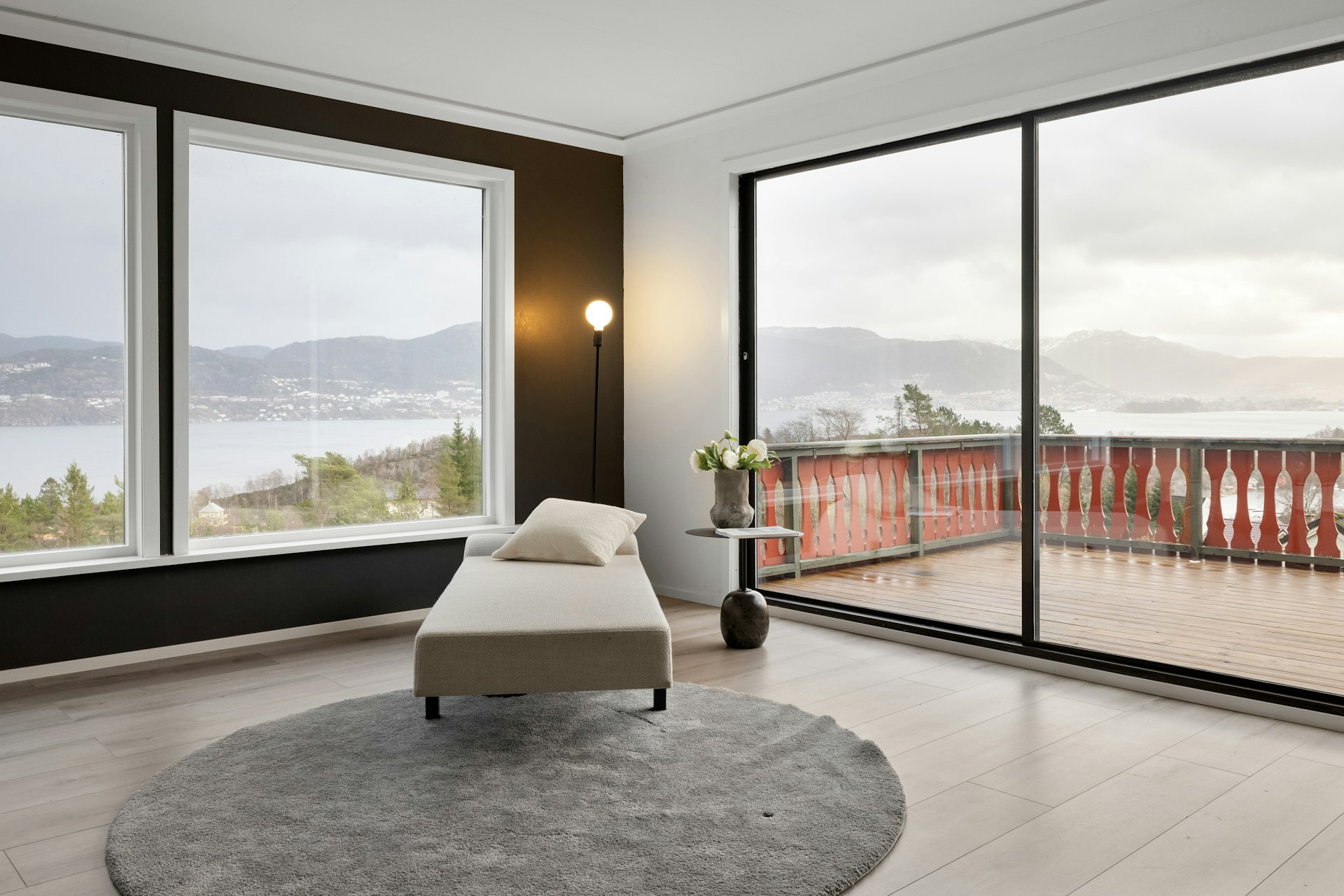
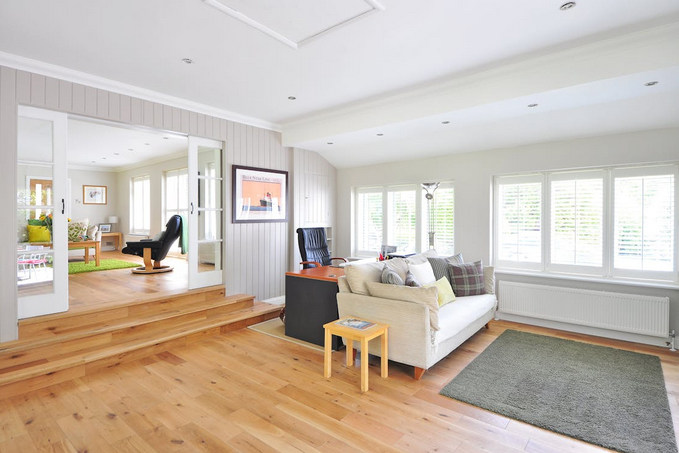
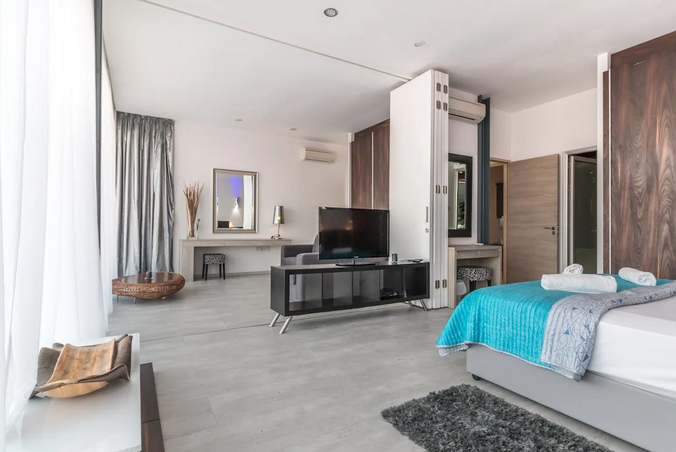
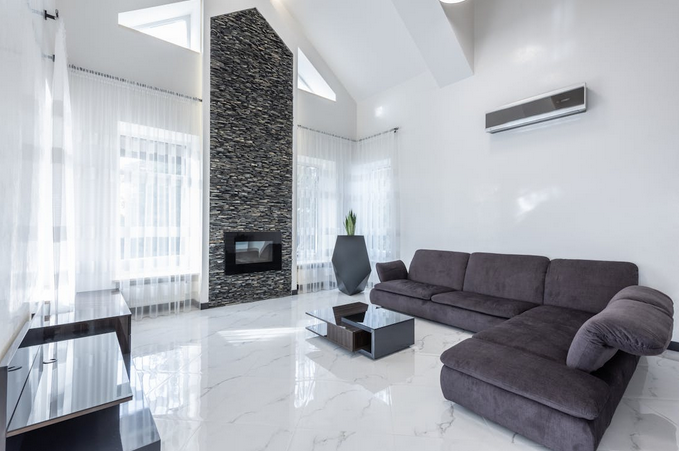
Natural light is the backbone of biophilic design. Wide windows, skylights, and even strategically placed mirrors can help bounce daylight around the room. This light not only boosts mood but also reduces dependence on artificial lighting. It feels like an instant reset button every time you walk into the space. At the same time, managing light with sheer curtains or adjustable blinds allows a balance between brightness and comfort. Too much glare can undo the calm vibe, while soft light helps rooms feel cozy and alive. Think of it as giving your home its own circadian rhythm. Every adjustment creates a healthier atmosphere.
Textures That Echo Nature
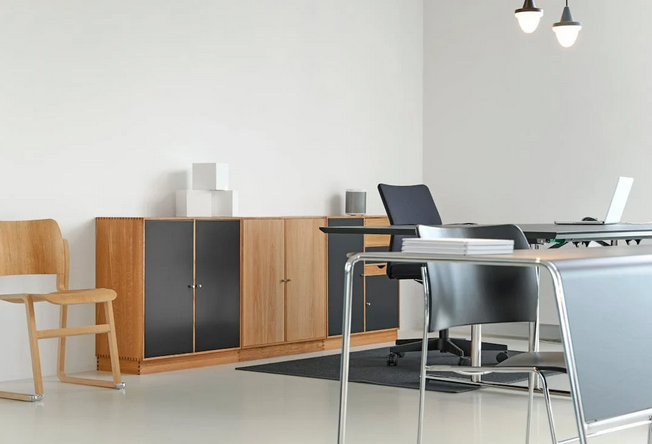
Biophilic design thrives on materials that mimic what’s outdoors. Think wood grain tables, woven baskets, linen throws, or stone accent pieces. These details bring a grounding quality that shiny, plastic-heavy decor can’t replicate. Even mixing rough with smooth textures—like a jute rug under a polished oak coffee table—creates harmony. It’s about variety without chaos, a tactile reminder that nature itself is full of contrast. By leaning into textures, your home feels more layered and alive.
Water and Sound as Subtle Anchors
Biophilic design isn’t only visual—it appeals to all the senses. The trickle of a tabletop fountain or the quiet sound of a water wall can be incredibly soothing. Pair that with open windows to let natural breezes move through, and suddenly your room has rhythm. Soundscapes play a role, too. Gentle playlists with forest or ocean elements can mimic outdoor experiences. It’s less about recreating nature perfectly and more about creating hints of it that ground you throughout the day. These touches remind us we’re part of a bigger system, even while sitting in a living room.
Designing With Balance in Mind
The beauty of biophilic design is that it doesn’t demand excess. A little greenery, a splash of sunlight, and a touch of texture can transform a space. It’s about harmony, not clutter, and knowing when to let a room breathe. The best results come when every addition feels intentional. A living room with a large window doesn’t need a dozen plants competing for attention. Instead, let each element—light, sound, and material—have its own moment. Simplicity is what makes it last.
Biophilic design is less about rules and more about feeling. By pulling natural light, textures, greenery, and sound into your home, you create rooms that double as retreats. It’s not flashy, but it resonates on a deeper level—like taking a quiet walk in the park after a long day. Quiet luxury, in this case, is built straight from nature itself.…




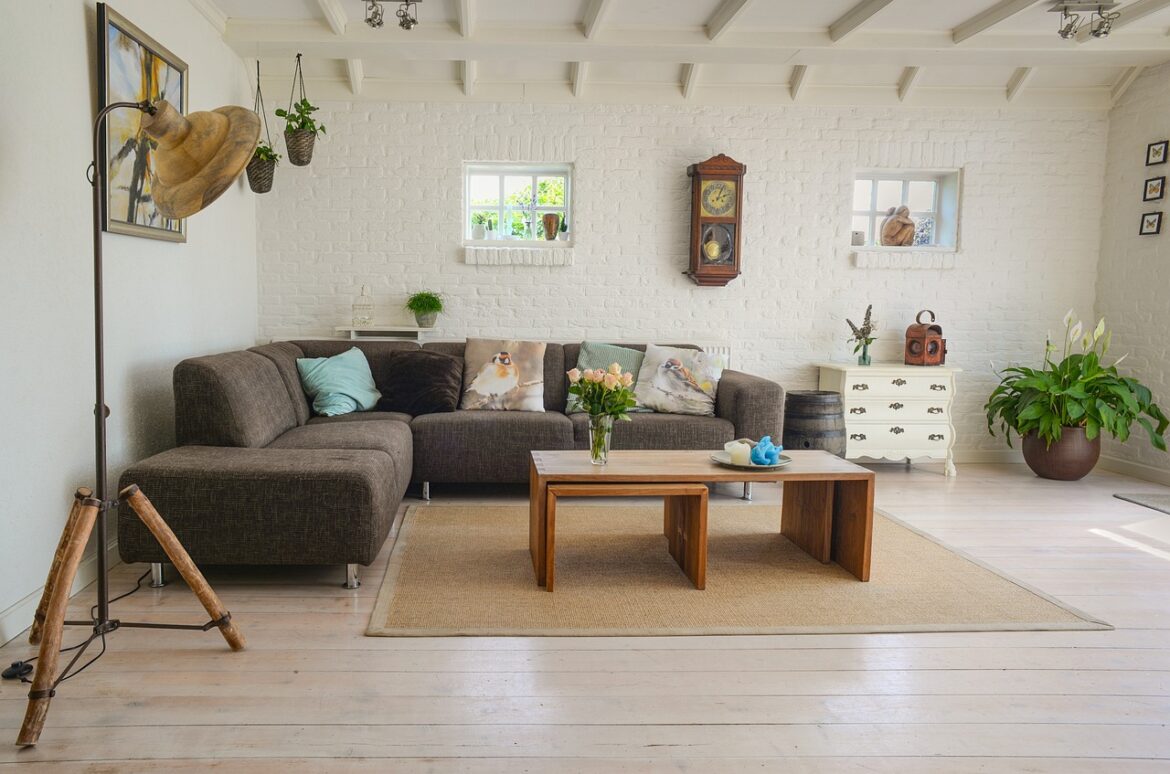
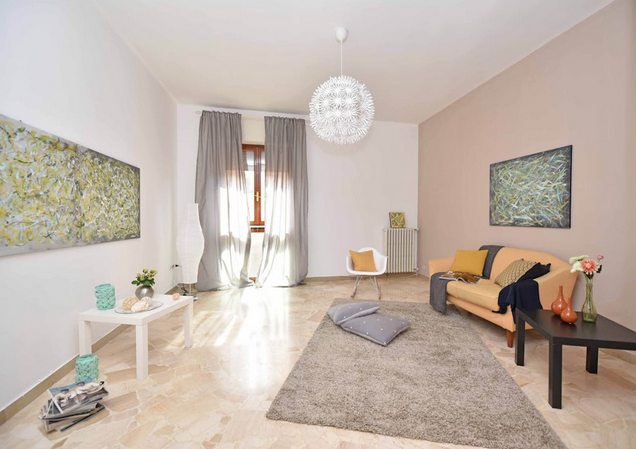
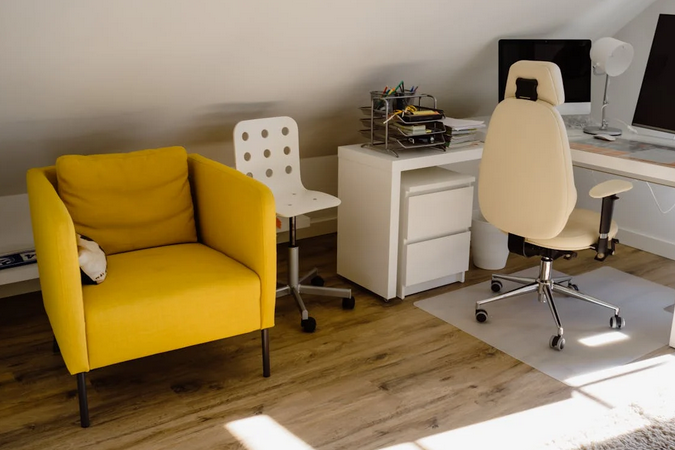
 Comfortable seating is essential for creating an inviting living room. Think about what makes you feel at ease. A plush sofa or oversized chairs can beckon guests to sit down and relax. Consider the arrangement of your seating as well. Grouping furniture together encourages conversation. A cozy nook with two armchairs paired with a small table creates an intimate atmosphere.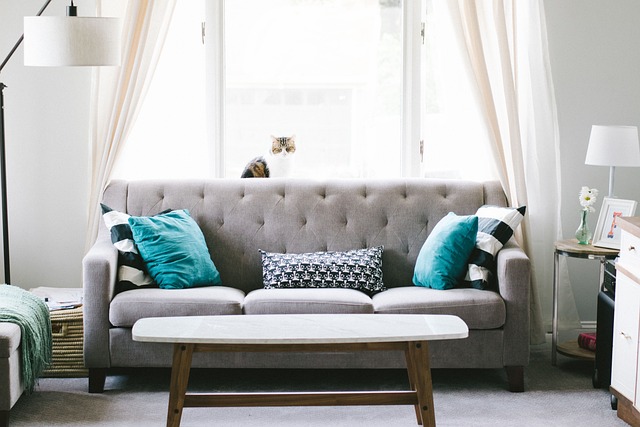
 Textiles can transform the atmosphere of your living room. Soft fabrics bring warmth and comfort, inviting guests to settle in and relax. Think about adding plush throw pillows on sofas or chairs. They create a cozy vibe while also providing support. Layering different textiles adds depth to the space.